Veneers in Oxnard CA: A Modern Solution for Imperfect Teeth
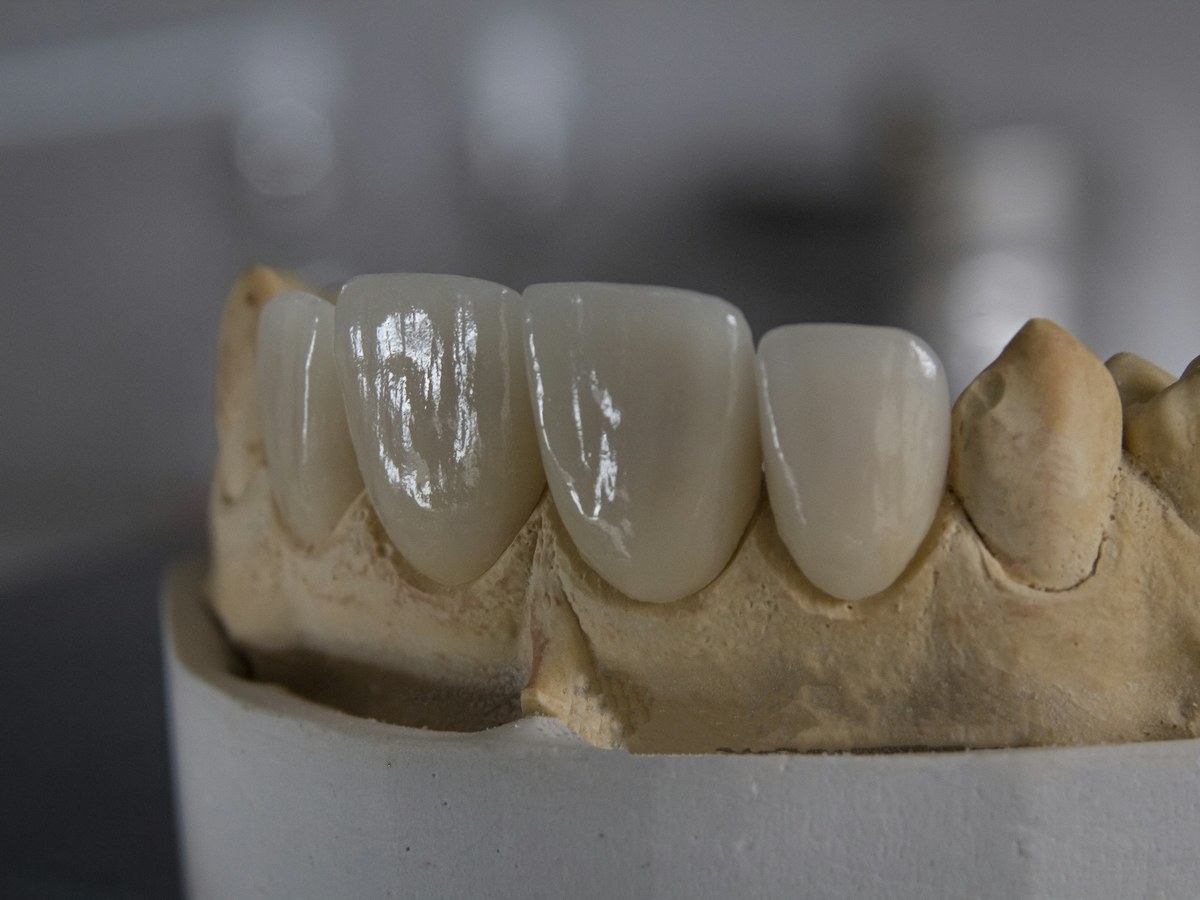
A smile can look healthy on paper and still leave someone deeply self-conscious. That gap between dental health and dental appearance is where veneers often make the biggest difference. I have seen patients with strong teeth, healthy gums, and no active decay who still hesitate to smile in photos because of chips, uneven edges, deep staining, or spaces that draw the eye. Veneers are designed for exactly that kind of problem. They do not replace good oral health, but they can dramatically improve what people see in the mirror.
For many people considering veneers in Oxnard CA, the appeal is simple. They want a refined, natural-looking smile without years of orthodontics or repeated whitening treatments that no longer work. Modern veneers can address several cosmetic concerns at once, often with a result that feels polished rather than obvious. That said, veneers are not a casual beauty purchase. They require planning, judgment, and a dentist who understands both function and facial aesthetics.
The strongest veneer cases are rarely about chasing perfection. They are about creating balance. When done well, veneers do not announce themselves. They fit the face, respect the bite, and improve the smile without making it look artificial.
What veneers actually are
A veneer is a thin shell, usually made of porcelain or a durable composite material, bonded to the front surface of a tooth. Think of it as a carefully engineered outer layer that changes the visible color, shape, length, and contour of the tooth underneath. Porcelain veneers are typically the premium option because they resist stains well and mimic the way natural enamel reflects light. Composite veneers can be a good solution in some situations, especially when budget or minimal modification is a priority, but they often require more maintenance over time.
People often assume veneers are just for whitening a smile, but they do far more than brighten teeth. A well-planned veneer case can soften a worn bite, close small gaps, improve the symmetry of front teeth, disguise minor rotations, and restore teeth that have chipped over the years. In clinical terms, they are conservative cosmetic restorations when compared with crowns, since they usually preserve more natural tooth structure.
That last point matters. Veneers should not be treated as decorative covers slapped onto any tooth that looks imperfect. The goal is always to preserve as much healthy enamel as possible while creating a stable, beautiful result.
Why people in Oxnard often look at veneers
In a place like Oxnard, appearance and practicality tend to go hand in hand. People spend time outdoors, socialize year-round, and often want dental work that looks fresh without requiring constant attention. Many adults in their thirties, forties, and fifties reach a point where whitening has plateaued, enamel has picked up wear, and small imperfections that once seemed minor start to feel more noticeable.
Common concerns tend to cluster into a few patterns. Some patients have naturally small lateral incisors, which can create uneven spacing near the front of the smile. Others have old bonding that stains at the edges and no longer matches the surrounding enamel. Some come Oxnard Dentistry Veneers Oxnard CA in after years of grinding, with front teeth that have flattened and shortened. A few have one dark tooth from old trauma, and that single tooth changes the way the whole smile reads.
This is where veneers can be especially useful. They allow a dentist to solve several visual problems at once, rather than patching each issue separately over many appointments.
The problems veneers can fix well, and the ones they cannot
Veneers shine when the core issue is cosmetic and the underlying tooth is structurally sound. They are excellent for stubborn discoloration, particularly when whitening does not respond well, as can happen with tetracycline staining, old root canal discoloration, or naturally darker enamel. They also work well for closing small spaces, correcting minor asymmetry, and improving the look of mildly worn or chipped teeth.
They are less effective, or sometimes a poor choice entirely, when the real problem is functional. If someone has active gum disease, untreated decay, major bite instability, or significant tooth movement that would be better handled with orthodontics, veneers can become an expensive shortcut that creates future complications. A patient with heavy grinding habits, for example, may still be a veneer candidate, but only if the bite is addressed thoughtfully and a night guard becomes part of the long-term plan.
One of the most common misconceptions is that veneers are an alternative to orthodontics in every case. They are not. A small gap or a slight rotation might be handled beautifully with veneers. Crowded teeth, major bite discrepancies, or teeth that sit far out of alignment often need movement first. The right treatment is the one that respects the biology, not just the timeline.
What makes a veneer smile look natural
Natural-looking veneers are rarely the brightest, whitest option on the shade guide. The best veneer work accounts for skin tone, lip movement, face shape, age, and the way adjacent teeth catch light. Real teeth are not flat white rectangles. They have depth, surface texture, slight translucency near the edges, and subtle variation from tooth to tooth.
I have seen the difference that small design choices make. Lengthening the front teeth by even half a millimeter can create a more youthful appearance, but if that change ignores speech or lip posture, the smile can feel awkward. Making every tooth perfectly symmetrical may sound ideal, yet slight natural variation often looks more believable. The best cosmetic dentists pay close attention to how a smile functions when a person talks, laughs, and rests, not just how it looks in a still photo.
That is why mock-ups and trial smiles can be so valuable. They let patients preview shape and proportion before the final porcelain is made. Many people have a vague idea of what they want until they actually see it in their own mouth. Once they do, preferences become much clearer. Some realize they want softer edges. Others decide they prefer a less aggressive whitening effect. That trial stage often prevents disappointment later.
The consultation matters more than most people realize
If you are researching Veneers Oxnard CA, the consultation is where the quality of care starts to separate itself. A good veneer consultation is not just a conversation about color and price. It should include a close examination of enamel, gum health, bite pattern, existing restorations, and habits like clenching or grinding. In many offices, photos are taken from multiple angles because still images reveal details that are easy to miss in conversation.
This appointment should also cover expectations. Some patients want a dramatic transformation. Others want colleagues and friends to notice they look better without being able to identify why. Those are very different design goals. Neither is wrong, but they lead to different decisions about shape, brightness, and the number of teeth treated.
The number of veneers is another area where thoughtful planning matters. Not every case requires ten upper veneers. Sometimes two veneers and a little contouring create a beautiful result. In other cases, four, six, or eight upper veneers make sense because the visible smile line extends farther back and needs continuity. The right number depends on how much of the smile shows when the patient speaks and smiles broadly.
What the process usually looks like
Although every office has its own workflow, the veneer process generally happens in stages rather than in a single visit. After the consultation and planning phase, the teeth are prepared if needed. In many porcelain veneer cases, this means removing a small amount of enamel to make room for the veneer so the final result does not look bulky. Impressions or digital scans are then taken and sent to a dental lab. Temporary veneers may be placed while the final restorations are being made.
When the final veneers return, the dentist checks fit, color, contour, and bite before bonding them in place. This appointment requires patience. Tiny adjustments can change comfort and appearance significantly. Good bonding technique is not glamorous, but it is essential. A beautiful veneer placed carelessly will not perform the way it should.
Some of the best outcomes happen when patients treat the temporary phase seriously. Temporaries are not just placeholders. They provide a chance to test speech, length, comfort, and esthetics in real life. If a patient notices that certain sounds feel off or the edges seem too long, those details can often be refined before the final porcelain is cemented.
Porcelain vs composite, a practical comparison
Porcelain veneers tend to offer the best combination of stain resistance, longevity, and lifelike esthetics. They are fabricated outside the mouth, usually by a skilled laboratory technician, which allows for very refined shaping and color layering. For patients who want a durable, highly polished result and are prepared for the investment, porcelain is often the standard choice.
Composite veneers are sculpted directly on the tooth or made indirectly depending on the technique. They can be more affordable up front and often require less tooth reduction. They also allow easier chairside repairs if small chips occur. The trade-off is that composite typically does not hold surface luster as long as porcelain and may pick up staining sooner, especially in patients who drink a lot of coffee, tea, or red wine.
Neither material is universally better in every case. A younger patient who wants a conservative improvement before committing to porcelain later may do quite well with composite. A patient with severe intrinsic staining and high esthetic expectations may be much happier with porcelain from the start.
How long veneers last, realistically
Patients understandably ask for a simple number. Realistically, veneers can last many years, often well over a decade in favorable cases, but longevity depends on material, bite forces, oral hygiene, bonding quality, and habits. Someone who opens packages with their teeth, chews ice, or grinds heavily at night will place far more stress on veneers than someone who does not.
Porcelain itself is strong, but it is not indestructible. Veneers can chip, debond, or become compromised if the surrounding tooth develops decay near the margins. Gum recession can also affect how the edges look over time. A veneer that was beautiful on day one may still be functional fifteen years later yet no longer blend as seamlessly if the gums have changed or neighboring teeth have darkened.
This is why maintenance matters. Veneers are not a one-time cosmetic event that can be ignored once the smile looks good. They become part of your dental health picture and need the same regular care as natural teeth, sometimes more.
Cost, value, and where people get tripped up
Cost varies widely depending on the dentist’s experience, the complexity of the case, the material used, and the quality of the laboratory work. Veneers are usually a significant out-of-pocket investment because they are considered cosmetic in many situations. That can make comparison shopping tempting, but veneers are one of the worst places to focus only on the per-tooth fee.
Low initial pricing sometimes hides compromises in planning, lab quality, preparation technique, or time spent refining the result. If veneers are too bulky, too opaque, or poorly integrated into the bite, correcting them later can be more expensive and more invasive than doing them properly the first time.
Value in cosmetic dentistry comes from restraint and precision. A dentist who says no to veneers when another treatment is better may be protecting you from a bad outcome. That judgment is worth a great deal.
Who tends to be a strong candidate
The best veneer candidates usually have healthy gums, manageable bite forces, and cosmetic concerns that cannot be solved more conservatively. They also tend to have realistic expectations. Veneers can improve a smile tremendously, but they do not create a different face or erase every asymmetry. Natural beauty often includes a bit of individuality.
A good candidate also understands the long-term commitment. Once enamel has been altered for veneers, that decision generally commits the tooth to future restoration. That is not necessarily a negative, but it should be entered with open eyes.
Here are a few signs that veneers may be worth discussing with a dentist:
- Your teeth are healthy overall, but color, shape, wear, or spacing bothers you.
- Whitening has stopped producing the result you want.
- Minor chips or uneven edges make your smile look older or less balanced.
- You want a cosmetic improvement that can address several concerns at once.
- You are prepared to maintain the work and protect it over time.
Situations where another option may be smarter
Not every attractive smile makeover involves veneers. Sometimes teeth whitening followed by minor bonding creates an excellent result with far less cost and tooth modification. In other cases, clear aligners may be the better first move, especially if alignment is the root issue. Orthodontics can put teeth in a healthier, more esthetic position and reduce how much restorative work is needed afterward.
There are also cases where gum contouring, replacing old fillings, or redoing a single crown provides the improvement someone wants. A patient who thinks they need six veneers may really have one dark central incisor and uneven incisal wear that could be addressed more conservatively.
This is one place experience matters. Ethical cosmetic dentistry is not about selling the biggest case. It is about selecting the least invasive approach that still achieves the patient’s goals.
Life with veneers after the honeymoon period
The first few weeks after veneers go in can feel exciting. Patients smile more, show teeth in photos again, and often notice that they speak or pose differently because they are no longer trying to hide their front teeth. But the longer view is just as important. Daily habits determine whether that early result ages well.
Brushing twice a day and flossing consistently remain nonnegotiable. Veneers do not decay, but the teeth underneath and around them certainly can. Regular cleanings help protect the margins, and many hygienists adjust polishing techniques slightly to respect porcelain surfaces. If a patient grinds at night, wearing a custom night guard is often the difference between long-term success and a fractured veneer.
Food restrictions are usually modest, but common sense matters. Biting directly into very hard foods with veneered front teeth is never ideal. Neither is using teeth as tools. These sound like obvious points until you see how often small chips come from everyday habits rather than major accidents.
Choosing a dentist for veneers in Oxnard CA
When people look for veneers in Oxnard CA, before-and-after galleries often dominate the search. Those photos are useful, but they do not tell the whole story. Look closely for consistency, not just dramatic makeovers. Do the smiles suit each individual face? Do the teeth look proportionate and believable? Are the gums healthy-looking? Does the work seem refined rather than uniformly bright and oversized?
A worthwhile consultation should feel educational, not rushed. You should hear a discussion of alternatives, limitations, maintenance, and bite considerations, not only cosmetic promises. If the dentist uses photographs, digital planning, wax-ups, or mock-ups to guide the process, that is often a sign of thoroughness. The same goes for collaboration with a respected lab.
If you feel pushed toward more veneers than you expected, ask why. There may be a sound reason, but you deserve to understand it. Good cosmetic treatment planning is transparent. It explains not only what can be done, but why it should be done that way.
The real appeal of veneers
What draws people to veneers is not vanity in the shallow sense. Most are not chasing a celebrity smile. They want ease. They want to laugh without covering their mouth, speak without worrying about a dark or chipped front tooth, and stop fixating on flaws that distract from the rest of their face.
Veneers can deliver that shift when they are used thoughtfully. They are modern, yes, but their value is not in novelty. Their value lies in precision, in their ability to solve visible problems with elegance when the case is right. For the right patient, that can feel less like cosmetic dentistry and more like relief.
If your teeth are healthy but no longer reflect how you want to present yourself, veneers may be worth exploring. The key is not simply finding someone who offers them. It is finding someone who knows when they are the right answer, when they are not, and how to make them look like they always belonged there.
Oxnard Dentistry
1730 E Gonzales Rd, Oxnard, CA 93036, United States
+1 805-307-8731
FAQ About Veneers Oxnard CA
How long do porcelain veneers last?
Porcelain veneers can last for many years, but they can chip, loosen, or wear over time. Their lifespan depends on factors such as your bite, whether you grind your teeth, and daily care. Regular dental visits let your dentist check their condition.
Are dental veneers permanent?
Traditional veneers often require removing a small amount of enamel, so that change to the tooth is generally irreversible. Veneers can still need repair or replacement. Ask your dentist how much preparation your teeth would require.
How much do veneers cost in Oxnard?
Cost depends on the material, how many teeth you want treated, and whether you need other dental work first. Ask for a written estimate that explains the price per tooth and what is included.